


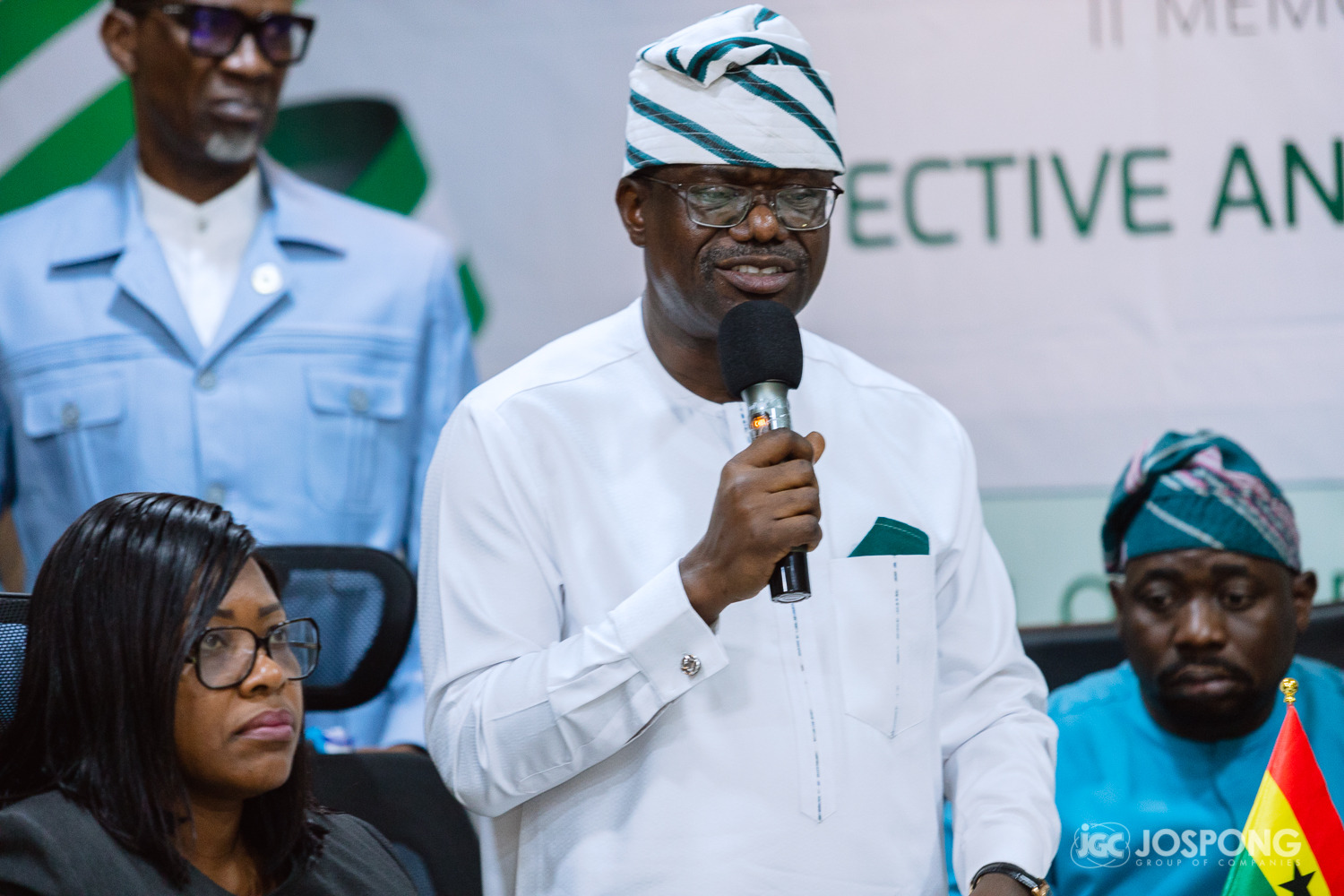
Mr Samuel Nartey George, the Minister for Communications, Digital Technology and Innovations, says Africa cannot build a thriving digital market if it remained mere consumers of externally developed technologies, standards and narratives.
He said the future demanded that Africa became a creator of digital value, a custodian of its data, negotiator of its interests, designer of its systems, and a full and equal partner in global digital trade.
The Minister was speaking at the opening ceremony of the 2025 Data Protection Africa Summit in Accra, on the theme, “Defining Africa’s Digital Future: From Consumerism to Partnership.”
The four-day summit organised by the Africa Digital Rights Hub (ADRH) in partnership with the Data Protection Commission of Ghana, brought together cyber security experts, researchers, policymakers, regulators, data controllers and processors, and many others.
Mr George said Ghana was already making significant progress in moving beyond passive adoption through a comprehensive national digital transformation agenda.
He said this was focused on modernising regulation, expanding digital infrastructure, scaling e-government services, strengthening data protection, and supporting innovation and Small and Medium scale Enterprises (SMEs).
Mr George emphasised that data protection was not a barrier to innovation but the foundation of sustainable digital growth, arguing that no digital economy could thrive without trust.
“Digital trade, fintech expansion, cross-border payments, online commerce, and identity verification all collapse without robust privacy protections,” he added.
He highlighted the opportunities presented by the African Continental Free Trade Area (AfCFTA) and the adoption of its Protocol on Digital Trade but warned that these gains would not materialise if African countries failed to develop their own technology capacities.
The Minister said to support this shift, Ghana was working to harmonise and secure national datasets, guided by a forthcoming Data Harmonisation Bill, aimed at strengthening governance around access and cross-border data flows.
He called for harmonised data protection laws across the continent, interoperable digital identity systems, stronger cross-border regulatory cooperation, and deeper partnerships between governments, civil society, academia, and the private sector.
“Africa must also champion its own research, standards and policy frameworks rather than inheriting models that do not reflect its realities,” he stressed.
Dr Arnold Kavaarpuo, the Acting Executive Director of the Data Protection Commission, Ghana, said internally, data protection had become a central pillar of national digital transformation, shaping reforms in health, finance, education, public services, and emerging technologies.
He announced a stringent enforcement exercise starting January 2026, stating that it followed a national Enforcement Notice published in November directing all non-compliant organisations to regularise their status with the Commission.
Dr Kavaarpuo said the new phase would apply firm, fair, and consistent sanctions against data controllers who violated the Data Protection Act, 2012 (Act 843).
“This marks a new chapter in safeguarding citizens’ rights and protecting the integrity of Ghana’s digital ecosystem,” he added.
He said the Commission was undertaking a comprehensive review of the Data Protection Act to address AI, big data, cross-border data flows, digital identity, and other emerging technologies.
Dr Kavaarpuo reaffirmed the Commission’s support for the Minister for Communications’ ambition to position Ghana as Africa’s AI hub.
Professor Justice S.K. Date-Bah, the Board Chair, ADRH, said technologies that accessed, analysed, and used personal data were evolving at extraordinary speed yet with this remarkable progress came significant risk.
He said unauthorised, negligent, or uninformed data processing could cause tremendous harm, not only to individuals, but to communities, corporations, and even governments.
He stressed that to transition from consumerism to partnership, Africa must strengthen capacity, harmonised frameworks, scale innovation, and ensure that data governance systems reflected its realities, priorities, and values.
Source: GNA
The post Africa cannot build a thriving digital market being consumers of foreign technologies – Minister appeared first on Ghana Business News.
Read Full Story













Facebook
Twitter
Pinterest
Instagram
Google+
YouTube
LinkedIn
RSS