


Divaloper has organized the third edition of its annual Divaloper Leadership Summit (DLS), also known as the Builders Leadership Summit, with a renewed call on young people to build character, lead with integrity and contribute meaningfully to national development.
The summit, held on 22nd December 2025, carried the tagline “Build. Lead. Transform.” and the theme “Vision 2026 and Beyond: Building Bold Leaders for a New Era.”
It brought together young professionals, entrepreneurs, students, activists and community leaders from across the country. This year’s summit was organized in partnership with the Stanbic Incubator of Stanbic Bank and received sponsorship support from the KGL Foundation.
Leadership must begin from within
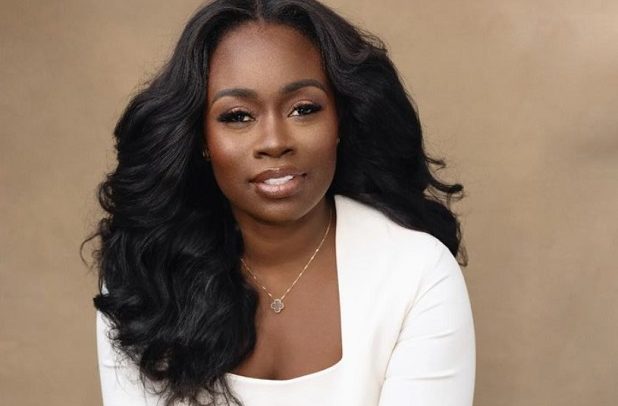
In her welcome address, Chief Executive Officer of Divaloper, Zulaiha Dobia Abdullah, explained the philosophy behind the summit’s tagline.
She noted that “Build. Lead. Transform.” represents a journey every leader must intentionally walk through.

She explained that young people must first build themselves ;their skills, discipline, values and confidence. From there, they learn to lead, beginning with their own lives, families, communities and workplaces. With time, commitment and integrity, leaders are finally able to transform society.
“You cannot transform what you have not first built,” she said, urging participants to focus on purpose, self-awareness and continuous learning instead of chasing titles.
Summit Chairperson Hajia Hamdatu expanded on that thought, stating that leadership is not merely a title bestowed on individuals, but a responsibility that is earned through service and persistence. She encouraged participants to embrace challenges as an essential part of the leadership journey.

According to her, while some leaders may appear naturally gifted, many others are shaped through real-life experiences, mistakes, and the determination to continue moving forward.
Leadership strategist Rudolf Brenyah took participants deeper into the mindset of leadership, challenging them to visualize big ideas and develop the courage to execute them. He highlighted prioritization, discipline, and clarity as essential tools.
He also reflected on cultural barriers, particularly environments where questioning authority is discouraged.
“Timidity begins from the home,” he observed, urging young leaders to break free from limiting beliefs and develop the confidence to lead boldly.
Entrepreneur and humanitarian Dela Seade reminded participants that leadership often grows out of compassion. Drawing from her work, she encouraged attendees to choose the voices they listen to carefully, acknowledging that fear exists but leaders choose courage despite it.
She also emphasized collaboration and alignment with the Sustainable Development Goals (SDGs), stressing that meaningful change often requires partnerships.
Turning attention to entrepreneurship, business leader Edison Ade explored the future of work and the dynamics shaping modern leadership. He encouraged innovation, AI literacy, adaptability, and strategic thinking around funding. Using well-known global brands as examples, he advised leaders to hold onto core values while remaining flexible enough to evolve.
He also spoke candidly about the emotional realities of leadership, including loneliness, tough financial decisions, and the constant balancing act between visibility and sustainability.
Branding expert Mariam Majeed shared a deeply personal testimony of failure, resilience, and reinvention. From struggling academically to building a strong personal brand, she highlighted discipline, authenticity, and emotional intelligence as key qualities that help leaders build trust.
She warned against what she referred to as “brand debt” promising more than one can deliver — encouraging participants to remain honest and consistent.
Gender development advocate Amtu Akumfi Ameyaw added a critical social dimension to the conversation, calling for more inclusive leadership. Drawing from her experiences abroad, she discussed the realities of gender inequality, abuse, and policy gaps, especially in relation to sexual violence. She emphasized empathy, accountability, and representation as essential elements of inclusive leadership.
As the summit drew to a close, one message echoed across every conversation: leadership is not about position, popularity, or applause. Instead, it is about purpose, conviction, and the willingness to take responsibility even when it is uncomfortable.

From governance to entrepreneurship, social advocacy to personal branding, the Divaloper Leadership Summit 2025 reinforced the belief that Africa’s future depends on leaders who are self-aware, value-driven, and courageous enough to build change from the inside out.
The post Divaloper hosts 3rd Builders Leadership Summit to nurture bold leaders appeared first on The Business & Financial Times.
Read Full Story






Facebook
Twitter
Pinterest
Instagram
Google+
YouTube
LinkedIn
RSS