


The Traders Advocacy Group Ghana (TAGG) has raised red flags over Parliament’s recent approval of an agreement between the Ghana Revenue Authority (GRA) and TRUEDARE Investments Limited for the introduction of a “digital customs tracking” and artificial intelligence (AI) audit system, calling for full disclosure and an independent review of the deal.
In a statement titled “No Father Christmas in Customs”, TAGG said the agreement, which is intended to supplement the Integrated Customs Management System (ICUMS) “at no additional cost to the state,” requires urgent scrutiny in the interest of transparency, value for money and its long-term impact on traders and consumers.
According to TAGG, the Finance Committee’s report and media accounts indicate that the agreement seeks to introduce a digital inspection system for tracking imported cargo containers, supplement ICUMS, address perceived weaknesses in tracking and documentation and improve revenue mobilisation.
However, the group noted that ICUMS, implemented in 2020, already provides end-to-end customs data management, including risk assessment, post-clearance audit and cargo tracking, explicitly to reduce costs and systemic leakages.
“If government now asserts material gaps exist in ICUMS requiring a new system, all technical analyses and justifications must be openly accessible, not shrouded in secrecy,” the statement said.
TAGG said it had reviewed official corporate records on TRUEDARE Investments Limited in Cyprus and raised concerns about the company’s capacity to deliver a critical national digital mandate.
The firm, it noted, was incorporated on 28 December 2024 with issued share capital of €1,545, and its listed business objects relate to general trade rather than customs IT, AI or digital inspection systems.
The group said it found no public evidence that TRUEDARE has designed or operated large-scale customs systems, AI audits or container tracking solutions elsewhere. In TAGG’s view, entrusting such a mandate to “a newly incorporated, minimally capitalised offshore entity” without full public disclosure of its technical capacity, ownership structure and selection rationale poses significant risk.
TAGG also challenged the claim that the programme would come “at no additional cost to the state”, arguing that trade facilitation costs must ultimately be borne by someone. It questioned whether new fees would be imposed on consignments or containers and passed on to traders, importers and consumers, and whether a revenue-sharing arrangement exists with the contractor.
“Describing this as ‘no cost to the state’ obscures the true economic burden, which almost certainly falls on Ghanaian businesses and households,” the statement Signed by David Kwadwo Amoateng, president of TAGG said.
The group further questioned the need to introduce a parallel system, noting that ICUMS is Ghana’s single-window e-customs platform and is recognised for reducing leakages and improving efficiency. It warned that running parallel systems without clarity on data sovereignty, cybersecurity, integration and accountability could increase complexity, costs and confusion for traders.
TAGG is therefore calling for the full publication of the GRA–TRUEDARE contract, including financial and technical annexes; an independent technical and value-for-money review of ICUMS and the proposed system; clear disclosure of who ultimately pays for the programme; and a moratorium on implementation until transparency is achieved.
TAGG stressed that it is not opposed to technology or the use of AI in customs, but to “opaque contracts, weak due diligence, and mechanisms that transfer hidden costs onto traders and consumers”. “There is no ‘Father Christmas’ in customs; someone always pays,” the group said.
The post TAGG raises concerns over GRA–TRUEDARE digital tracking deal appeared first on The Business & Financial Times.
Read Full Story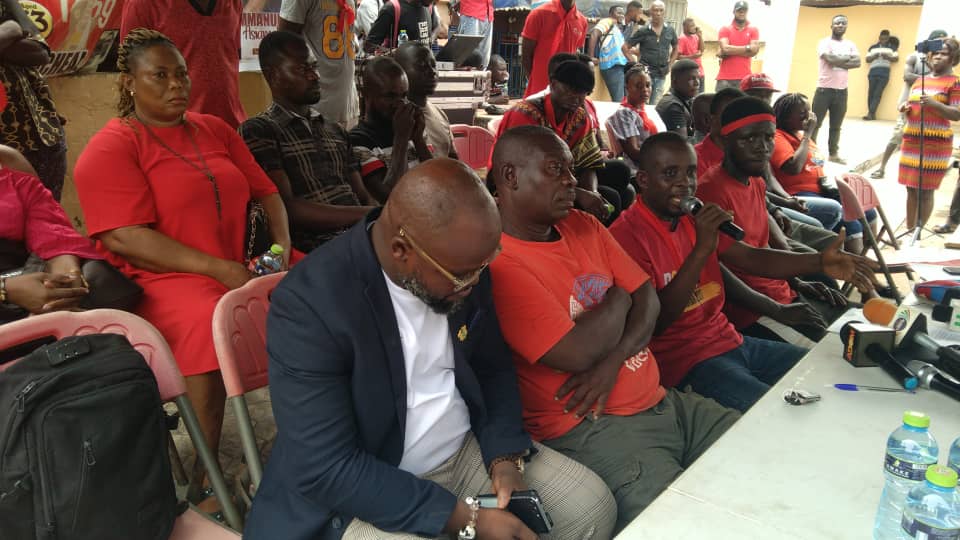









Facebook
Twitter
Pinterest
Instagram
Google+
YouTube
LinkedIn
RSS