


According to a story published by myjoyonline.com, the contractors working on the expansion of the Accra–Tema Motorway have suspended a planned traffic diversion at the Tetteh Quarshie Interchange, after commuters endured hours of severe congestion.
The diversion had been introduced to allow Engineers to expand the bridge at the interchange, as part of the larger motorway expansion project, which aims to increase the bridge capacity to ten lanes, by adding three new lanes on each side.
According to the Project Manager, Ing. Ben Sackey, the traffic management plan had been carefully simulated before implementation. However, once the diversion took effect, the situation on the ground proved significantly worse than anticipated. Motorists were trapped in gridlock for two to three hours, particularly during peak periods, as traffic backed up across major routes feeding into the interchange.
Recognising the scale of disruption caused to the commuting public, the Contractors decided to suspend the diversion while they reassess the traffic management strategy. Ing. Ben Sackey acknowledged that although the decision may affect the project timeline, Contractors must remain accountable to the public and consider the challenges faced by motorists.
The suspension provides temporary relief to commuters while authorities deliberate on alternative approaches that will allow the project to continue without causing the level of congestion witnessed earlier this week.
The Chronicle is of the view that the decision to suspend the diversion at the Tetteh Quarshie Interchange is both sensible and necessary. Since Monday, the situation on the roads around the interchange had become almost unbearable.
Commuters driving through one of the busiest transport corridors in the capital spent between two to three hours stuck in traffic. Workers arrived late at their offices, commercial drivers lost valuable income and thousands of residents endured unnecessary stress.
Anyone familiar with traffic in Accra knows that the interchange already operates at near-capacity during rush hour. Introducing a diversion in such a sensitive traffic zone without a workable contingency inevitably would create chaos. The simulations may have suggested that the diversion could work, but real-life traffic conditions often differ from theoretical projections. The reality on the ground quickly exposed the limitations of the plan.
To their credit, the Contractors acknowledged the problem and acted quickly to suspend the arrangement. Infrastructure development is essential and the expansion of the Accra–Tema Motorway remains a critical project for the country’s economic and transport future. However, development cannot come at the cost of paralysing an entire city.
That said, suspending the diversion should not mean halting progress indefinitely. Instead, authorities and Contractors must explore alternative working arrangements that allow construction to continue without disrupting daily traffic.
One practical solution would be to shift the most disruptive construction activities to late-night hours. Working between 11:00 p.m. to 4:00 a.m. could significantly reduce the impact on commuters. During those hours, traffic volumes in Accra drop considerably, allowing Engineers to undertake complex tasks such as launching bridge beams, repositioning equipment, or temporarily closing lanes without causing citywide gridlock.
Night-time construction is not unusual in major urban centres around the world. Cities with dense traffic often adopt this strategy, precisely to balance infrastructure development with public convenience. While night operations may increase cost slightly due to lighting, logistics and labour adjustments, the benefits to the public would likely outweigh these expenses.
Authorities must also strengthen coordination with traffic management agencies and ensure clearer communication with motorists. Early warnings, proper signage and real-time updates can help drivers plan alternative routes and reduce confusion when diversions become unavoidable.
Ultimately, the motorway expansion is a necessary investment in Ghana’s transport infrastructure. But the events of this week serve as an important reminder that, infrastructure planning must place commuters at the centre of decision-making. With better scheduling, improved coordination and a willingness to adapt, the project can move forward without bringing the city to a standstill.
For more news, join The Chronicle Newspaper channel on WhatsApp: https://whatsapp.com/channel/0029VbBSs55E50UqNPvSOm2z
The post Editorial: Expansion Of Accra–Tema Motorway, Time To Reassess Traffic Management Strategy appeared first on The Ghanaian Chronicle.
Read Full Story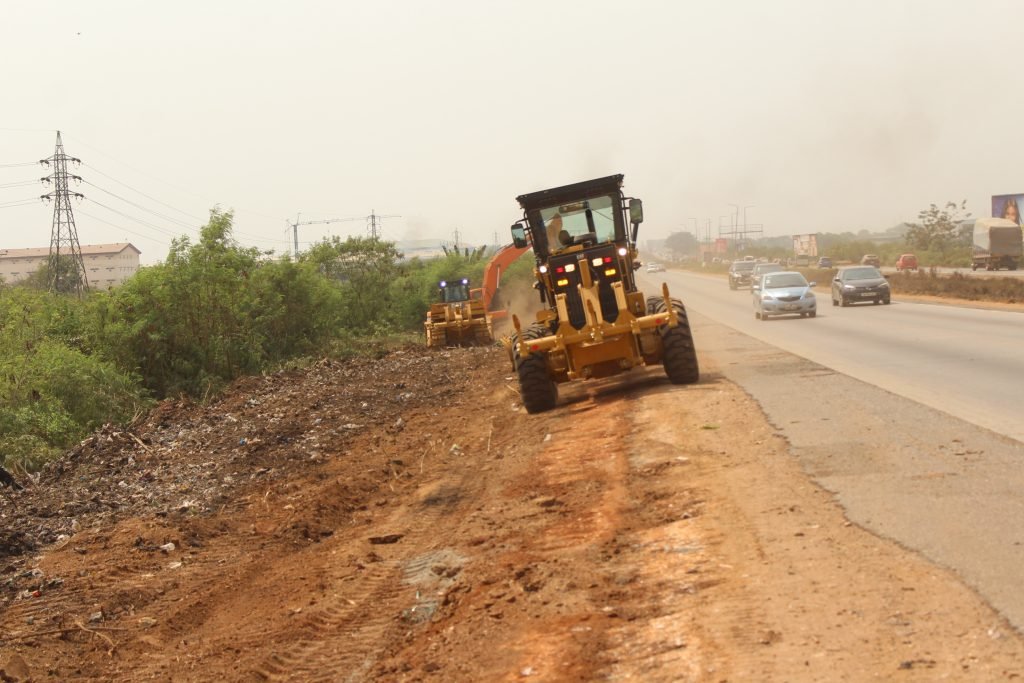



Facebook
Twitter
Pinterest
Instagram
Google+
YouTube
LinkedIn
RSS