
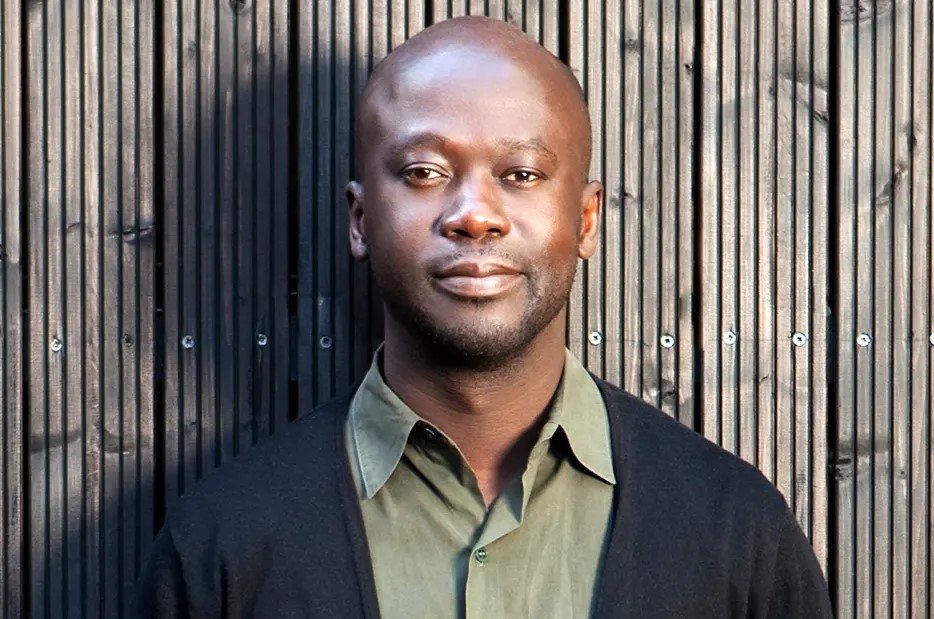

Architect David Adjaye has dismissed claims that the Ghana National Cathedral project has been abandoned, insisting that the controversial project remains very much alive, though currently paused for government review.
In a recent podcast interview conversation with Tim Abrahams, Adjaye addressed mounting public speculation about the future of the project, which has faced political, financial, and public scrutiny in recent years.
When asked directly whether the cathedral was effectively dead, Adjaye replied firmly: “No, it’s not dead… It’s just on pause.”
According to him, the change of government naturally introduced a period of reassessment, particularly given the project’s hybrid public-private structure.
“I keep thinking, okay, this administration might just want to trash it, but I think there was a lot of misunderstanding,” Adjaye said. “Because the process was government, but it was private. So I think there’s a sense with this administration of really understanding what is going on.”
He explained that the current government is taking a careful, forensic approach to reviewing the project’s documentation, governance, and procurement processes.
“We know this administration is careful, making sure that they have done their forensic examination… So far, it has passed its tests, but we know they’re still carrying on with forensic testing. But in the meantime, it’s on pause.”
Adjaye also pushed back against the widespread perception that the project is merely a religious monument. He described it instead as a major cultural infrastructure project designed to serve national, social, and economic purposes far beyond worship.
 “The Cathedral is really a cultural infrastructure,” he said. “This is a country which is still very spiritually focused. So we’ve used that as the platform to create an event center, a gathering space, community gardens, museums, a school of music, teaching spaces, and the first theological library of African Christianity.”
The cathedral architect disclosed that more than 35 artists from West Africa and the diaspora had already been commissioned to contribute to the project, describing it as “a museum of the present” embedded within a national monument.
Adjaye also emphasized the project’s potential as a long-term economic catalyst, arguing that religious and events-based tourism is proven to generate substantial revenue in West Africa.
“People think general tourism is important, but actually specific tourism, religion, events, is the real economic generator,” he explained. “In West Africa, before art, the biggest revenue generator is religion. So, this is a win-win for the government.”
While acknowledging that the project may not be the current administration’s priority, Adjaye insisted that the cathedral still carries national significance across political lines.
“It is definitely a national project. Love or hate it, there’s something about this project which activates a sense of urgency about the infrastructure that’s required,” he said.
In July 2025, Ghana’s President John Mahama announced the dissolution of the National Cathedral Secretariat and initiated legal processes to disband its Board of Trustees. The announcement was made following what the government described at the time as “a scathing audit report” conducted by audit firm Deloitte and Touche into the operations for 2021-2023, which uncovered a litany of financial irregularities, procurement breaches, and a “general lack of due process.”
The government said the audit findings “rock the very foundation of the project and the work of the Secretariat and raise serious questions about the use of public funds.”
The Auditor-General has been commissioned to do a comprehensive forensic audit into the operations. The government also tasked the Attorney-General to take legal steps to lawfully terminate the contract for the National Cathedral project.
While ongoing forensic audits continue, Adjaye expressed confidence that the project will resume once the government completes its due diligence.
Earlier this month, the Christian Council of Ghana called on President Mahama to renew the government’s commitment to completing the Cathedral, even as the country faces significant economic challenges.
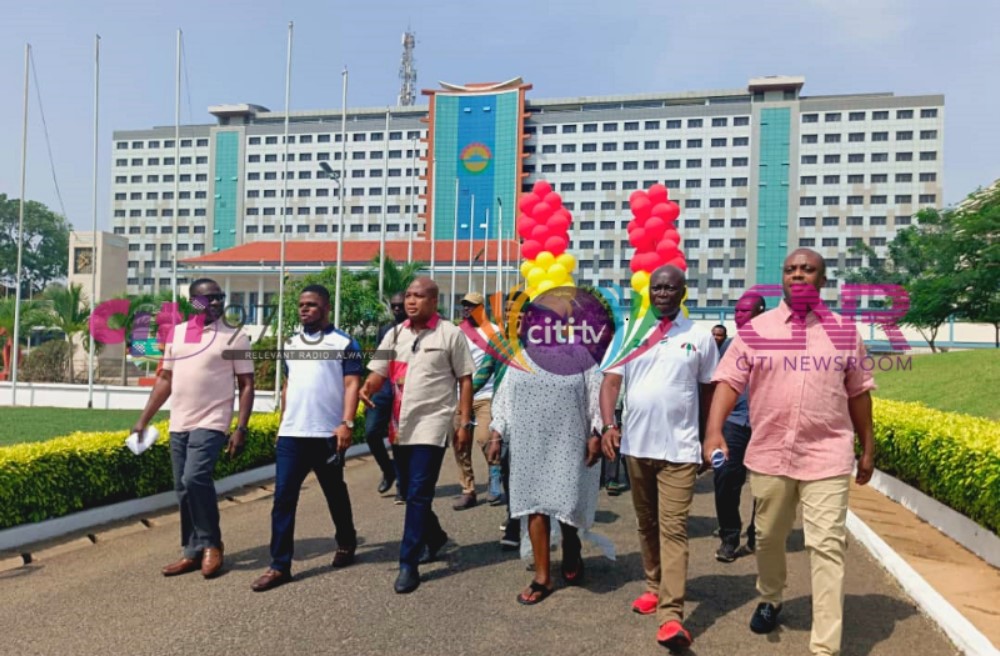
The Council, during a courtesy visit to the Jubilee House on Tuesday, November 18, acknowledged the difficult economic climate but insisted that the cathedral, if completed under a transparent framework, would stand as an enduring spiritual and cultural landmark, according to a citinewsroom report.
The Vice Chairman of the Council, Rev. Enoch Thompson, was cited as saying that while the group is aware of the economic difficulties, they believe that the cathedral’s completion, under a transparent, accountable, and inclusive framework, would serve as a spiritual and cultural landmark for the country.
By Ekow Quandzie
The post Ghana National Cathedral project not dead – David Adjaye appeared first on Ghana Business News.
Read Full Story







Facebook
Twitter
Pinterest
Instagram
Google+
YouTube
LinkedIn
RSS