


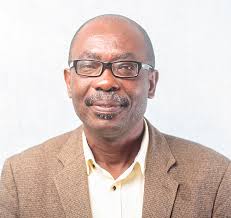
Dr Charles Amoah-Wilson, the Director of Human Resource, National Communications Authority, has called for a curriculum shift of tertiary institutions from theory-based to a more practical and experiential learning.
He said students should be trained in real life experiences, instead of mainly reading from textbooks and pamphlets, which sometimes had no connection to their space.
“Another way of experiential learning is by the project management approach, where you assign students on projects and they use project management methodologies to address the issue, real-life problems,” he said.
“They learn by going to experience what is on the field. So when they finish school, they are already aware of the challenges on the ground and they have already proffered solutions.”
Dr Amoah-Wilson said this during the inaugural ceremony of NiBS University’s Executive Doctorate in Residence (EDR) initiative at the university’s campus in Accra on Saturday.
The EDR initiative seeks to align professional business leaders with master’s students to serve as their education and career paths mentors.
The event was held on the theme: “Bridging Academia and Practice: Building Business Leadership Excellence.”
Dr Amoah-Wilson said mentorship and internship should be made a critical component of Ghana’s tertiary education system to enable students to understand and excel in their chosen fields.
That, he noted, would help build their capacity as they got into the corporate world, as well as enrich their curriculum with practical and real-life experiences.
Dr Senanu Klutse, a Senior Lecturer and Coordinator of the EDR programme, NiBS University, said through the initiative the successful corporate leaders, who were also doctorate alumni of the University, would serve as visiting lecturers and mentors to the master’s students.
“Because they are professionals, they have a lot to bring to bear in terms of practise, so we want them to come on board to lecture in some of these master’s programmes, to bring practical feel to the lectures that we give at the master’s level,” he said.
“And aside that, to also mentor these master’s students as to how to go about setting career challenges that they may have, and give them solutions and guidance.”
That is why we set up this Executive Doctorote in Residence programme.”
Source: GNA
The post Ghana tertiary institutions told to make their curriculum more practical than theory? appeared first on Ghana Business News.
Read Full Story







.jpg)

Facebook
Twitter
Pinterest
Instagram
Google+
YouTube
LinkedIn
RSS