
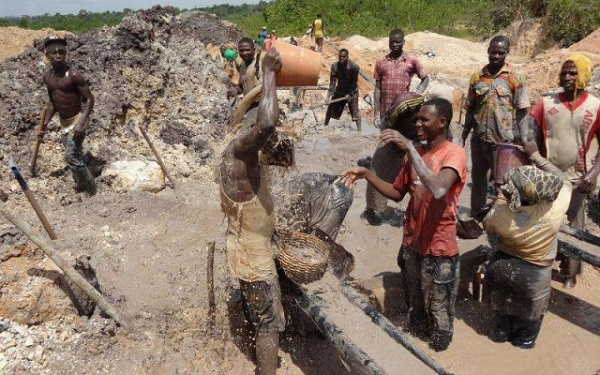

A one-day Trainer of Trainers workshop aimed at enhancing the understanding of mercury exposure risks among health professionals in Artisanal and Small-Scale Gold Mining (ASGM) communities has been held in Tarkwa.
The workshop brought together medical officers, nurses, public health officials, and representatives from the Environmental Protection Authority (EPA) from Tarkwa-Nsuaem, Prestea-Huni Valley, and Wassa Amenfi West Municipalities.
It also aimed to build the capacity of health professionals in identifying and managing mercury-related illnesses and promoting preventive measures.
The training, organised by the Health Education Technical Working Group, sought to strengthen the participants’ knowledge on the health and environmental impacts of mercury exposure, which remains a pressing issue in mining communities across Ghana.
Mr Samuel Nortey Quaye, Communications Lead for the planetGOLD Ghana Project, said mercury exposure was a significant public health concern in mining areas.
He encouraged participants to actively engage in the training to improve their ability to identify symptoms of mercury poisoning and provide the right care.
“We are all aware that mercury use in ASGM has serious implications for both human health and the environment,” Mr Quaye said.
“This workshop aims to empower you to make a meaningful impact in your communities by recognising the symptoms of mercury exposure and educating those at risk about preventive actions.”
Mr Lovelace Sarpong, the Project Coordinator for the planetGOLD Ghana Project, said the training was part of a broader initiative to promote safer and mercury-free mining technologies.
He reiterated the critical role of health workers in identifying early signs of mercury poisoning and educating communities about its dangers.
“Health professionals are central to the success of this initiative. Your ability to detect health threats early, provide care, and raise awareness in the community is crucial in tackling mercury-related issues and ensuring healthier, safer mining environments.”
Madam Sophia Otabir, Regional Director, EPA, Tarkwa, said health professionals were frontliner responders to mercury exposure.
She urged participants to extend their knowledge beyond clinical care and to work with local communities to educate them about the risks of mercury.
“Your role does not stop at the clinic. You are key players in raising awareness and empowering communities to adopt safer practices, reduce mercury exposure, and protect the environment,” she said.
Dr Kwaku Owusu, a health expert and resource person, mentioned the environmental impacts of mercury to include soil and water contamination, highlighting the dangers posed by its transformation into toxic methylmercury.
Participants were introduced to the various mercury-related health conditions, such as neurological damage and developmental disorders.
The planetGOLD Ghana Project, funded by the Global Environment Facility and executed by the UNDP and UNIDO, aims to reduce the harmful use of mercury in the Small-Scale Gold Mining sector, promote mercury-free technologies, and strengthen the gold supply chain.
The project is being implemented by the EPA in partnership with the Ghana Health Service and other stakeholders to improve public health and environmental sustainability in those communities.
Source: GNA
The post Health professionals in mining communities trained on mercury exposure risks appeared first on Ghana Business News.
Read Full Story





Facebook
Twitter
Pinterest
Instagram
Google+
YouTube
LinkedIn
RSS