


… as fuel prices ease on domestic refining, softer oil markets
President John Dramani Mahama has hailed the revival of the Tema Oil Refinery (TOR), describing its return to crude oil processing as a significant step towards reducing fuel import costs, easing pressure on consumers and restoring the performance of state-owned enterprises.
Speaking when he met members of the Ghanaian community during a state visit to Zambia, President Mahama said the refinery, which had been largely dormant for about seven years, had resumed refining crude oil and was beginning to contribute to lower domestic petroleum prices.
“The Tema Oil Refinery, which was comatose for so many years, has kicked up and has started refining crude oil in Ghana again,” the President said.
He noted that while the facility was not yet operating at full capacity, production was being ramped up and would deliver greater benefits once operations were fully stabilised.
Mr. Mahama linked the refinery’s operations directly to recent movements in fuel prices, explaining that domestic refining reduced Ghana’s reliance on imported finished petroleum products purchased at volatile spot prices on the international market.
Processing crude oil locally, he said, allowed the country to secure higher volumes at lower overall cost, insulating consumers from some external shocks.
The President’s comments come after TOR resumed crude oil refining in late 2025, following years of inactivity caused by financial distress, mounting debt, ageing infrastructure and repeated operational shutdowns.
Commissioned in 1963, the refinery was designed to process about 45,000 barrels of crude oil per day and once supplied a significant share of Ghana’s fuel needs.
However, operations became increasingly erratic over the past decade, culminating in a prolonged shutdown as liabilities accumulated and equipment deteriorated.
Several attempts were made over the years to revive the facility, including debt restructuring, changes in management and proposals for private sector participation.
The latest restart followed turnaround maintenance on critical units, regulatory inspections and a phased reintroduction of crude processing.
The refinery’s return has coincided with a more favourable global energy environment. In 2026, crude oil prices have generally traded between US$67 and US$69 per barrel. Although geopolitical tensions in early February introduced a modest ‘war premium’ of about 3.5 percent into international benchmarks, analysts expect Brent crude to average between US$56 and US$60 per barrel for the remainder of the year.
This represents a marked moderation from average prices of around US$81 in 2024 and has created a window for Ghana to ramp up production at TOR while import costs for supplementary finished petroleum products remain at their lowest levels in several years.
Fuel prices in Ghana have responded to this combination of domestic and external factors. At the start of 2025, petrol and diesel prices were hovering at about GH¢14.80 and GH¢15.44 per litre respectively, reflecting a weak cedi and the refinery’s total dormancy.
Following TOR’s phased restart in late 2025 and a subsequent appreciation of the local currency, pump prices have declined markedly. As of February 2026, petrol is retailing at around GH¢10.99 per litre, with some oil marketing companies pricing at the national floor of GH¢9.99.
Mr. Mahama also pointed to exchange rate developments and softer global crude prices as additional contributors to the easing of fuel costs. While international prices and currency movements remain the dominant drivers of domestic fuel pricing, a functioning refinery, he suggested, provides Ghana with greater supply security and reduces exposure to short-term volatility in global markets.
The President said the revival of TOR was part of a broader turnaround in public enterprises, noting that several state-owned entities were returning to profitability.
Although the refinery has yet to reach full capacity, its officials say continued stabilisation and investment could allow it to play a more consistent role in meeting domestic fuel demand.

Reacting to the President’s comments, Managing Director, Edmond Kombat said: “In a highlighted address in Zambia, President John Dramani Mahama underscored the stabilisation of the Tema Oil Refinery under the current leadership. The tenure of the current management which I am privileged to lead as Managing Director under the direction of the Board has been defined by discipline, clarity of purpose, and institutional realism, prioritising the continued functionality of this strategic national asset amid legacy debt and operational constraints.”
He added that the momentum was reinforced by clear leadership, mentorship, and political direction from the President, alongside consistent support from the sector minister, Hon. Dr. John Abdulai Jinapor.
“This alignment reflects the RESET Agenda articulated by President Mahama in Zambia: strategic state institutions must be deliberately managed, restructured, and protected for the common good of Ghanaians, not abandoned,” he added.
He noted that TOR’s revival has directly safeguarded 1,144 jobs and continues to create opportunities for the nation’s teeming youth, particularly young engineers.
“We also acknowledge the collective dedication and professionalism of the entire refinery workforce, whose commitment has been central to the rapid turnaround achieved in the months following the President’s assumption of office. Together, we remain resolute in protecting and defending Ghana’s strategic assets, ensuring they continue to serve the national interest and the prosperity of generations yet unborn,” Mr. Kombat noted.
The post Mahama hails TOR revival on Zambian visit appeared first on The Business & Financial Times.
Read Full Story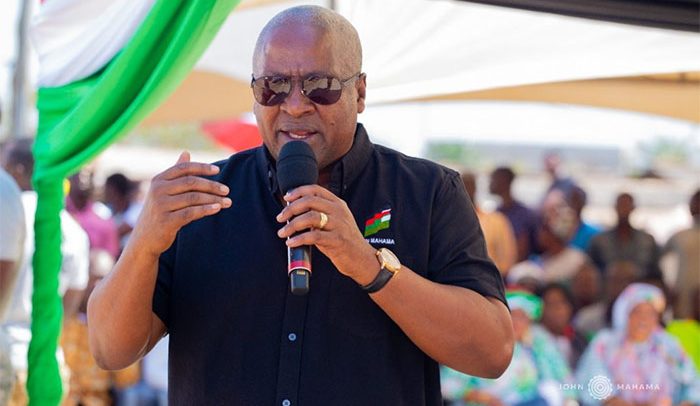










Facebook
Twitter
Pinterest
Instagram
Google+
YouTube
LinkedIn
RSS