


By Kizito CUDJOE
The Chairman of the Public Interest and Accountability Committee (PIAC), Richard Ellimah, has urged metropolitan, municipal and district assemblies (MMDAs) to intensify public education on how petroleum revenues are used in their communities.
He said citizens deserve clear, accessible information on oil-funded projects so they can demand better results and appreciate the benefits of the country’s petroleum resources.
His call follows PIAC’s first public engagement with market women on petroleum revenue management at the Madina Market in the La Nkwantanang Madina Municipality, where most traders said they did not know what benefits they receive from oil revenues.
Speaking after the event, the PIAC Chair said many residents remain unaware of how oil-funded projects are selected, costed or executed. With the recent amendment to the Petroleum Revenue Management Act (PRMA) allowing MMDAs to receive a share of petroleum revenues, he stressed the need for assemblies to explain how these funds are generated and applied.
Regular community engagement, open reporting and visible communication, he said, will strengthen public understanding, help citizens hold officials accountable and reduce misuse of funds. This, he added, is vital if oil revenues are to translate into improved services and infrastructure at the district level.
Following a 2019 Supreme Court decision in Kpodo and Another v. Attorney-General, five percent of the Annual Budget Funding Amount (ABFA) is allocated to the District Assemblies Common Fund (DACF) for distribution to the 261 assemblies. Under Act 815, as amended, these allocations are to support infrastructure development on earmarked projects.
As of now, the DACF has cumulatively received GH?1,019,132,551.45 between 2021 and the first half of 2025 from ABFA.
Mr. Ellimah said PIAC’s latest outreach forms part of efforts to broaden public participation in discussions on petroleum revenue use. Market women, he noted, remain one of the marginalised groups in these conversations, prompting the committee to begin direct engagements last year to walk them through PIAC reports and gather feedback.
“It is obvious that market women have been marginalised. Nobody has engaged or explained to them how petroleum revenues are used; and that has created a lot of ignorance,” he said. He described the Madina engagement as a “milestone” that will guide future outreach.
He added that PIAC plans to identify and engage other marginalised groups to ensure wider inclusion in national resource discussions. A key concern emerging from the meeting, he noted, is that many public actors are failing to brief their constituents on such critical issues.
PIAC, he said, will, therefore, encourage authorities to engage citizens regularly and consider their feedback in local development planning.
The Vice Market Queen of Madina Market, Madam Theresa Ansong, speaking on behalf of the traders drawn from Adenta, Bohye and Madina Markets, expressed dismay over the lack of public education of traders on these matters.
She said while they knew the country was producing oil, there was no education of the market on how or what revenues accruing to the state were applied to.
Given this, she commended PIAC for taking the initiative to engage them and encouraged that the outreach be carried out in all other markets across the country to deepen knowledge and awareness on petroleum revenue utilisation.
Madam Ansong also called on the state to continue to set aside some of the petroleum revenues to empower the national oil company, Ghana National Petroleum Corporation (GNPC), to be able to take over petroleum production in future.
The latest public forum held by PIAC, which was done with support from the Africa Centre for Energy Policy (ACEP), marks the first engagement since it launched its 2025 semi-annual report against the backdrop of what appears to be a significant funding cut by the government.
PIAC’s funding is no longer tied to the ABFA, which has now been directed to fund the government’s Big Push agenda.
The development has since affected the operations of the committee, restricting its media engagement to only virtual sessions while being unable to carry out district engagements as stipulated by the legislation which established the oil revenue watchdog body.
The post Educate citizens on oil cash use, MMDAs told appeared first on The Business & Financial Times.
Read Full Story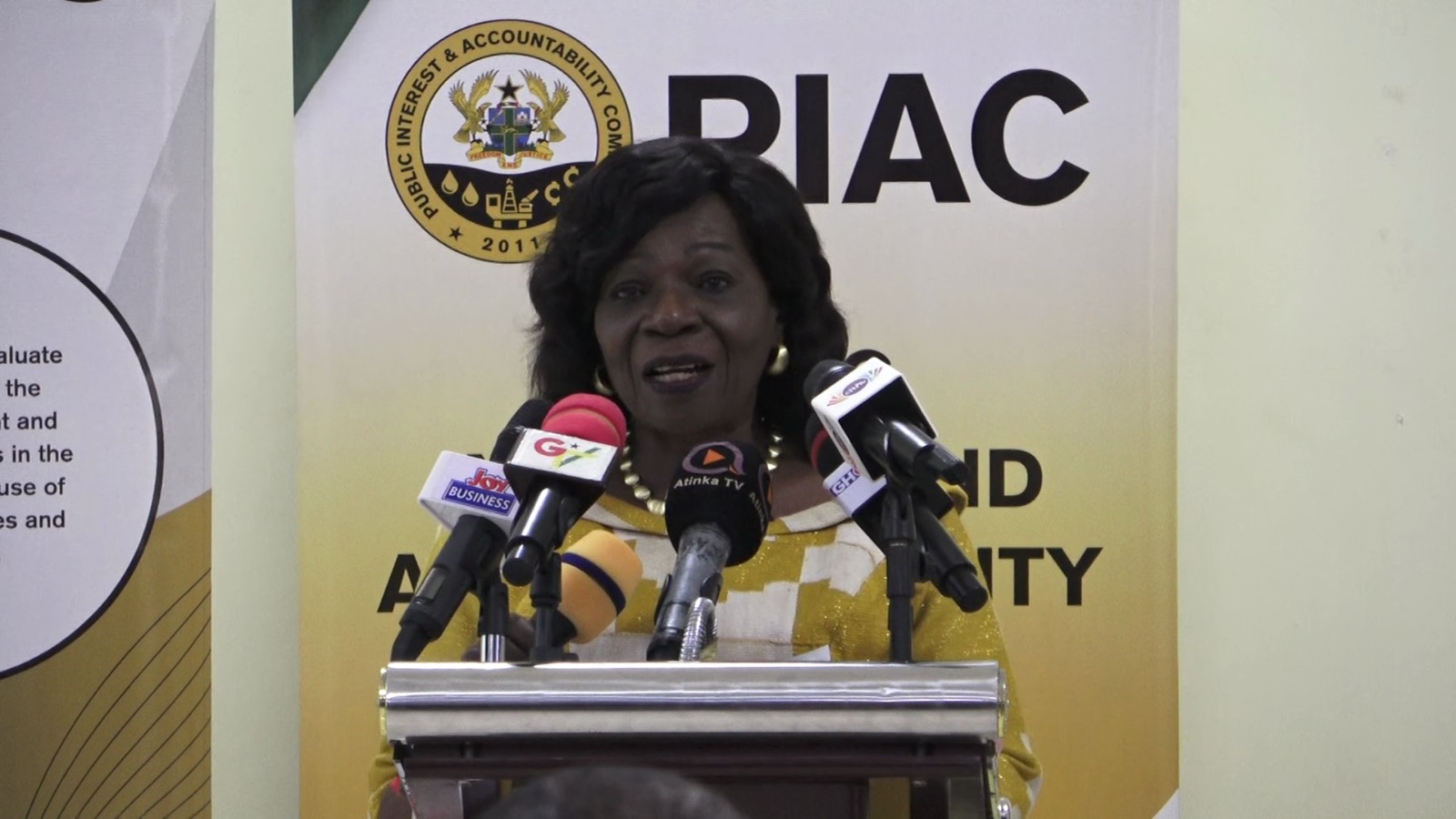








Facebook
Twitter
Pinterest
Instagram
Google+
YouTube
LinkedIn
RSS