


By Buertey Francis BORYOR
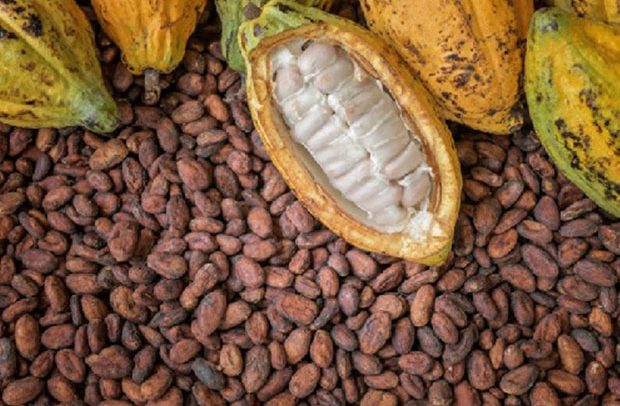
For years, I have watched our country’s cocoa farmers work tirelessly; rising early, labouring through harsh weather and nurturing the trees that produce the beans loved across the world. Yet despite their dedication, many of these farmers still live in poverty. It is heartbreaking that the people whose labour makes the global chocolate industry possible often cannot afford a dignified life, let alone the very products made from their sweat.
The newly released 2025 Cocoa Barometer reinforces this painful reality. It shows that even with record-high global cocoa prices, smallholder farmers – particularly those in this country, Côte d’Ivoire and Nigeria – are seeing little to no improvement in their incomes.
The nation cannot continue celebrating export revenues when those who make them possible are sinking deeper into hardship. If one of the world’s leading producers of cocoa continues to allow such inequity to persist, then our cocoa narrative will remain one of lost opportunity and structural injustice. The country may be a leader in production, but it is far from being a leader in farmer wellbeing.
The bitter truth behind the sweet treat
Speaking at the recent Cocoa Farmers Alliance Association of Africa (COFAAA) Summit and Awards, the founder of Global Sustainable Futures, Dr Renuka Thakore, painted a stark picture. She noted that just six multinational corporations control over 80 percent of the global chocolate market. These companies dictate demand, set prices and capture the largest share of profits, while the farmer receives barely 6 percent of the final price for a chocolate bar.
Processors and traders take between 30 and 40 percent while manufacturers and retailers claim more than 50 percent. This inequity fuels the sector’s darkest issues – child labour, smuggling, human trafficking and farmer exploitation.
The challenges farmers face
Cocoa farming continues to suffer from climate change, declining yields, aging trees, rising input costs, unfair pricing and poor infrastructure. At the centre of all these challenges is farmer poverty, the root cause driving most of the sector’s social and environmental problems.
Solving these challenges begins with one fundamental principle: farmers must earn a fair living income. Fair pay is not a favour – it is a moral obligation and increasingly a legal necessity under emerging global human-rights and environmental frameworks.
But there is also a warning. Rising cocoa prices today should not distract us from past lessons. History shows that production surges often lead to oversupply and price crashes, as seen in 2016. Without responsible supply management and forest protection, we risk repeating that painful cycle.
To build a resilient cocoa sector, I believe four pillars are critical:
Fair pay, environmental protection, inclusion, and transparency. Africa must also rethink its export model. If we continue exporting raw beans while importing expensive chocolate, we will remain stuck at the bottom of the value chain.
Government must demonstrate stronger political will, buyers must commit to fair pricing and ethical sourcing and consumers must be conscious of the human effort behind every bar of chocolate. Cocoa is part of our national identity and economy, but it must also sustain the people who grow it.
The call for action: Policy prescriptions ahead of Farmers’ Day
As the country prepares to mark this year’s National Farmers’ Day, the insights of sector advocates offer essential direction. Nana Yaw Reuben Jr, Country Director-Cocoa Farmers Alliance Association of Africa (COFAAA), believes the nation stands at a turning point. While acknowledging longstanding challenges, he emphasises that targetted policy action – both immediate and long-term – can still secure the sector’s future.
He said the immediate action should be improving the farm-gate price in realistic, sustainable terms. According to him, farmers cannot continue operating under pricing structures that barely cover input costs. The COFAAA Country Director argues that government must commit to a pricing model which reflects global trends and protects farmers from inflation and currency depreciation.

A second urgent step, he believes, is addressing fertiliser access and the availability of quality seedlings. Without these basics, discussions about productivity become meaningless. He describes farmers’ struggles to acquire inputs as a “silent crisis” that is undermining recovery efforts.
He also highlights the need for transparent communication and timely extension services. Farmers, he says, cannot be left to navigate climate unpredictability and disease pressures on their own.
Long-term reforms for real transformation
Looking beyond immediate needs, Reuben calls for a complete restructuring of how the cocoa sector is governed – with robust accountability mechanisms placed at the system’s centre. He notes that corruption, opaque practices and inconsistent policy decisions have weakened the trust between farmers and authorities.
He argues that strengthening the mandate and operational efficiency of COCOBOD must go hand in hand with reforms of procurement, pricing and financial management.
Another long-term priority he raises is value addition within the country. Reuben insists that the nation cannot continue to export raw beans while foreign markets reap the highest profits from finished products. Investing in processing capacity, he believes, is the only credible path to wealth creation.
Collaboration is key
He emphasises that no single actor can fix the cocoa sector – saying government, private companies, civil society, farmer groups and buyers must work together. COFAAA’s work for instance, he said, has shown how collaborative models – when properly structured – can improve farmer incomes, enhance traceability and reduce unethical practices in the supply chain. He believes this is the moment to build such coalitions, especially with global scrutiny increasing and sustainability standards becoming stricter.

A shared responsibility
He urges stakeholders not to lose sight of the long-term vision. National Farmers’ Day should not only recognise the contributions of farmers, he says, but also commit the nation to policies that protect their livelihoods and ensure generational continuity in cocoa farming. Reuben warns: “If farmers remain poor, there will be no cocoa industry to celebrate in the future.”
The post Farmers’ Day must herald justice for cocoa-growers appeared first on The Business & Financial Times.
Read Full Story












Facebook
Twitter
Pinterest
Instagram
Google+
YouTube
LinkedIn
RSS