


Morocco is positioning itself as a serious contender to host the 2030 FIFA World Cup final amid recent fallout.
The move comes in the aftermath of a troubling incident during an international friendly between Egypt and Spain at the RCDE Stadium. While the match itself ended in a goalless draw, the events off the ball have sparked widespread condemnation.
Egyptian players were reportedly booed during their national anthem, before sections of the crowd crossed a dangerous line, chanting offensive and Islamophobic slogans. Among the chants heard was “Whoever doesn’t jump is a Muslim,” a phrase that has since ignited outrage across football circles.
The atmosphere visibly affected players, including young Spanish star Lamine Yamal, who was said to have left the pitch in anger following the incident a stark illustration of the emotional toll such moments can have.
Against this backdrop, reports from Cadena SER indicate that Morocco is preparing to formally request hosting rights for the 2030 World Cup final, leveraging what it sees as a critical advantage: a stadium culture free from such incidents.
The North African nation, already part of the historic joint bid to host the tournament alongside Spain and Portugal, is now pushing to stage the showpiece event — the final — on its own soil.
Moroccan media have pointed to a pattern of racist controversies in Spanish football in recent years, arguing that these recurring issues raise serious concerns about the country’s ability to guarantee an inclusive and respectful environment on the world’s biggest stage.
Adding further complexity is the symbolic dimension of the debate. Spain’s national team itself includes players of diverse backgrounds, including Muslim athletes with Moroccan heritage, making the incidents all the more sensitive and contradictory.
According to reports, FIFA is closely monitoring the situation. The governing body has made anti-racism a central pillar of its global agenda, and any concerns about fan behavior could influence key logistical decisions ahead of 2030.
Morocco, for its part, is presenting a clear narrative: a safe, inclusive football environment capable of hosting the most prestigious match in world football without controversy.
While the final decision remains years away, the race to host the 2030 World Cup final has taken on a new and unexpected dimension — one shaped not just by infrastructure and investment, but by values, image, and the global fight against racism in sport.
As the debate intensifies, one thing is certain: the battle for 2030 is no longer just about stadiums — it’s about what football stands for.
Send your news stories to [email protected] and via WhatsApp on +233 546310076.
Read Full Story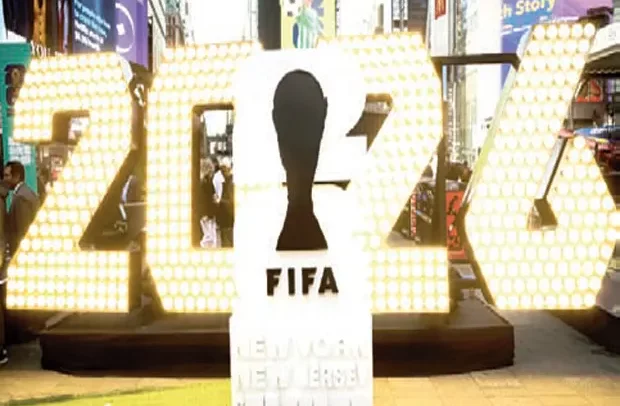







Facebook
Twitter
Pinterest
Instagram
Google+
YouTube
LinkedIn
RSS